• Department of Anthropology Ph.D. Candidate Emily Milton publishes in Bioarchaeology International

    Department of Anthropology Ph.D. candidate Emily Milton, along with co-authors Dr. Jordi Rivera Prince of Brown University and Ph.D. candidate Melina Seabrook of Harvard University, have published an article in Bioarchaeology International. The article is titled “Reconciling Identity Narratives: Creating Collaborative Space with Isotopic Baselines.” The article provides a critical perspective on the use of isotopes for bioarchaeological identity studies.

    Abstract: Isotopic methods have provided breakthrough insights into bioarchaeological identity studies, yet merit more critical theoretical perspectives. Inspired by and in conversation with intersectional feminist, Indigenous, and environmental literatures, we interrogate with and for whom such research is conducted. Potential inequities in bioarchaeological research using isotopes include the extractive and specialized nature of isotopic methods. Additionally, in the context of identity studies, Western notions of the individual may separate humans from nature, creating an artificial division between people and place. We propose isotopic baselines may create a more engaged practice by considering living human dynamics and place. Looking toward a more inclusive and equitable future for bioarchaeological and isotopic research, we propose ways to reduce power imbalances created by isotopic research. Ultimately, we suggest the collection and interpretation of environmental baseline data provide an opportunity to reconcile and expand conceptualizations of identity beyond the West.

    Read the full article here: https://journals.upress.ufl.edu/bioarchaeology/article/view/2332

  • Alum Assistant Professor Mari Isa (Texas Tech University), Professor and Chair Todd Fenton, and Ph.D. candidates Alex Goots and Elena Watson publish in Forensic Science International

    Lead author and MSU alum Dr. Mari Isa of Texas Tech University, Department of Anthropology Professor and Chair Todd Fenton, current MSU Anthropology Ph.D. candidates Alex Goots and Elena Watson, and engineering colleagues Patrick Vaughan and Dr. Feng Wei, have published a collaborative article titled “Effects of input energy and impactor shape on cranial fracture patterns” in the November 2023 issue of Forensic Science International.

    Read the full article: https://authors.elsevier.com/c/1hxKS1MCG0a57K

    Abstract: This study documents relationships between input energy, impactor shape, and the formation of fractures in human crania. Parietal impact experiments (n = 12) were performed at 67% higher input energy compared to previously reported experiments. Fracture origins, characteristics, and locations were compared at two input energy levels with three impactor shapes (focal “hammer”, flat “brick”, and curved “bat”). Impacts with all three impactors at both energy levels produced fractures originating at and remote to the impact site, indicating both mechanisms are typical in temporoparietal blunt force impacts. Higher energy impacts generally produced more impact site fractures, depression, and comminution than lower energy impacts. A small, focal impactor produced cone cracks, depression, and fractures localized near the impact site. A broad, curved impactor produced circumferential fractures and linear fractures extending into adjacent bones. A broad, flat impactor produced fracture patterns ranging from linear fractures to large depressed and comminuted defects.

  • Department of Anthropology Ph.D. Candidate Rhian Dunn awarded 2023 Graduate Research Fellowship by the National Institute of Justice

    The Department of Anthropology is pleased to announce that Ph. D. candidate Rhian Dunn is one of 24 doctoral students who have been awarded the 2023 Graduate Research Fellowship by the National Institute of Justice (NIJ). The NIJ is the research, development, and evaluation agency for the United States Department of Justice, which aims to promote research dedicated to improving “knowledge and understanding of crime and justice issues through science” (nij.ojp.gov/about-nij). Specifically, the Graduate Research Fellowship program supports doctoral students engaging in research that advances the NIJ’s mission.

    Rhian will use the funds to cover expenses related to her dissertation research, titled “Sampling and Section Bias in Research using Documented Skeletal Collections.” She intends to identify potential sources of bias encountered in the initial research phase for forensic and biological anthropological studies using data from documented human skeletal collections. The fellowship begins January 1st, 2024 and will run until May of 2025. She hopes that this dissertation research will enable forensic and biological anthropologists to better understand the extent of bias introduced in the research process and how such biases might affect the validity of historic methods still in use. Rhian acknowledges the support she has received from her committee members and her dissertation committee chair and advisor, Dr. Joseph T. Hefner, the PI on this grant.

  • Associate Professor Dr. Masako Fujita publishes in American Journal of Human Biology

    Associate Professor Dr. Masako Fujita publishes in American Journal of Human Biology

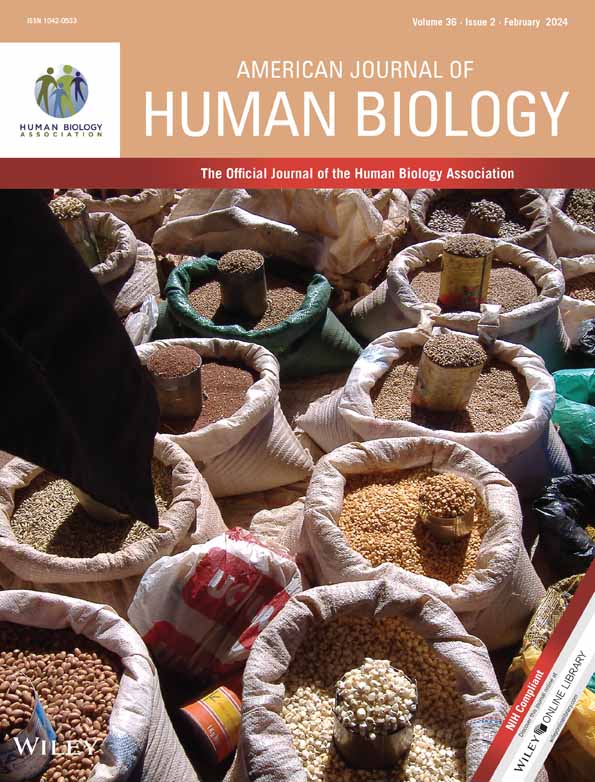
    Department of Anthropology Associate Professor Dr. Masako Fujita, along with her student Amulya Vankayalapati of Lyman Briggs College at Michigan State University and her veterinary epidemiologist collaborator George Wamwere-Njoroge of the International Livestock Research Institute in Kenya, has published an article in American Journal of Human Biology. The article is titled “Effects of household composition on infant feeding and mother–infant health in northern Kenya.” The article explores how having alloparents in the house can influence mother-infant health among formerly semi-nomadic Ariaal cattle/camel herders who have settled to combine pastoralism with dryland agriculture for their livelihoods. The study shows that household-level social and food ecologies have important implications for mother-infant outcomes in these remote arid terrains with high burdens of nutritional and infectious disease stress.

    Abstract:
    Background
    Households with alloparents, individuals other than the mother who care for an infant, can shift members’ roles and affect mother–infant health.

    Aims
    To investigate how household composition relates to infant feeding and infectious disease risk in mother–infant dyads, the team utilized data from breastfeeding dyads (n 208) surveyed during a prolonged drought and food scarcity in northern Kenya.

    Methods
    Households were classified by the presence/absence of potential alloparents, distinguishing non-siblings and siblings of the infant. Regression models for breastfeeding frequency, complementary feeding status, and recent infections (n 83) evaluated these outcomes’ associations with household type while accounting for food insecurity, adjusted for infant age, infant sex, and maternal age.

    Results
    Household type was unassociated with breastfeeding frequency, but the presence of non-sibling alloparents interacted with food insecurity, predicting increasing breastfeeding frequency as food insecurity intensified among dyads living with non-sibling alloparents. Households with non-sibling alloparents were also inversely associated with complementary feeding but had no association with infection. Households with siblings were inversely associated with (protective against) infant and maternal infection.

    Conclusion
    Further research is needed to understand the interactive influence of household social and food ecologies on mother–infant diet and health under diverse cultural rules and norms for alloparenting.

    Read the full article here: https://onlinelibrary.wiley.com/doi/10.1002/ajhb.23993

  • Dr. Larry Robbins coauthors chapter in new book, Handbook of Pleistocene Archaeology of Africa

    Dr. Larry Robbins, retired professor from the MSU Department of Anthropology, has coauthored a chapter in a new book titled “Handbook of Pleistocene Archaeology of Africa” alongside Dr. Michael Murphy from Kalamazoo Valley Community College, Dr. George Brook from the University of Georgia, and Dr. Linhai Yang from the Chinese Academy of Sciences. The chapter is on the Tsodilo Hills in Botswana and focuses on the Pleistocene archaeology of three sites in this area of the Kalahari Desert and how paleoenvironmental factors may have influenced their occupation over the last 100,000 years.

    Further information about the release can be found here: https://link.springer.com/book/10.1007/978-3-031-20290-2

  • Professor Dr. Gabriel Wrobel receives Fulbright Specialist Award to Belize at Institute of Archaeology

    Professor Dr. Gabriel Wrobel receives Fulbright Specialist Award to Belize at Institute of Archaeology

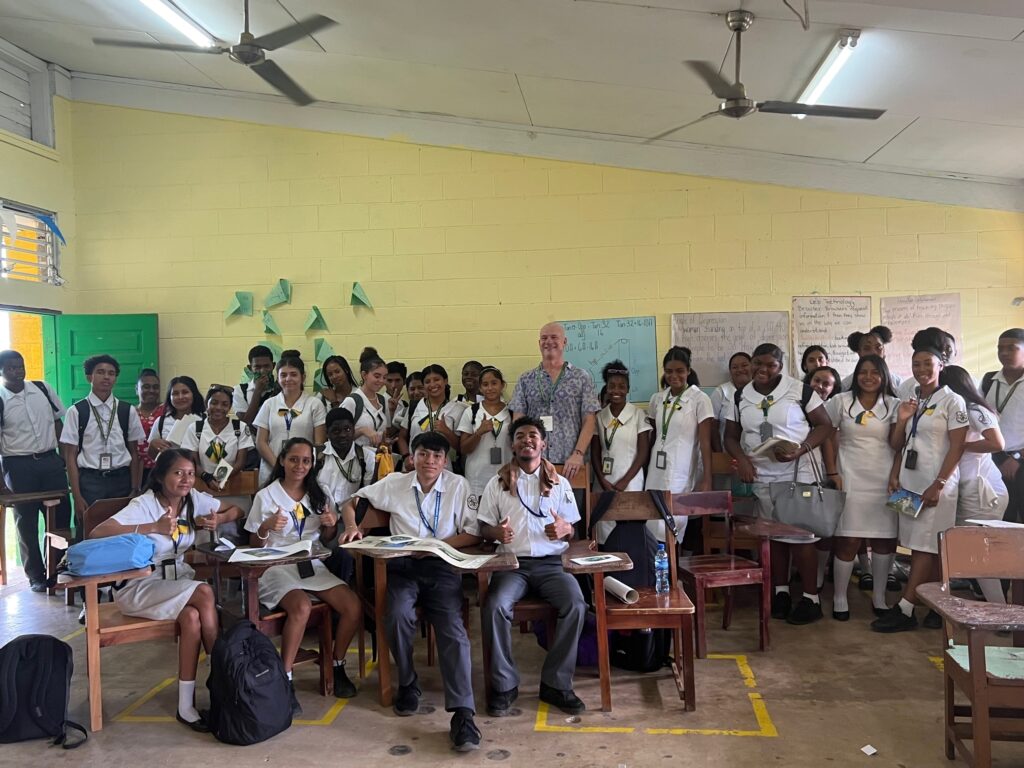
    Department of Anthropology Professor Dr. Gabriel Wrobel has been awarded the Fulbright Specialist Award to complete a project with the Institute of Archaeology in Belize. At the Belize Institute of Archaeology, Dr. Wrobel will be giving talks about archaeology, cultural heritage, bioarchaeology, and digital heritage for high school and college students with the goal of generating interest in the Institute’s work and spreading awareness of volunteer opportunities with the Institute.

    The Fulbright Specialist Program pairs U.S. academics and professionals with host institutions abroad to share their expertise, strengthen institutional linkages, gain international experience, and learn about other cultures while networking at their overseas host institutions. Fulbright Specialist Program projects generally last between two and six weeks and are approved to take place all throughout the year.

    Click here for more information on the Fulbright Specialist Program: https://fulbrightspecialist.worldlearning.org/

  • Assistant Professor Dr. Kurt Rademaker publishes in Journal of Archaeological Science: Reports

    Department of Anthropology Professor Dr. Kurt Rademaker and Dr. Alexander Menaker of the University of Texas at Austin have published an article in Journal of Archaeological Science: Reports. The article is titled “Obsidian in the Valley of Volcanoes, Peru.” This article explores the use of x-ray fluorescence analysis to determine the sources of obsidian artifacts recovered from archaeological sites in the Valley of Volcanoes, Peru. The results provide insight into local and long-distance social and economic connections in the prehistoric Andes.

    Read the full article at: https://www.sciencedirect.com/science/article/pii/S2352409X23003486

    Abstract: The Andagua Valley in the Department of Arequipa of southern Peru has only recently seen systematic archaeological investigations, revealing ancient agricultural communities that, despite apparent geographic isolation, were integrated economically with the wider Andean world. Portable x-ray fluorescence analysis of 137 obsidian artifacts recovered from sites in the lower Andagua Valley identifies the transfer of obsidian from Peru’s three largest sources, with > 90% of the analyzed artifacts coming from the Alca-1 source northwest of the valley. In addition to Alca-1 obsidian, small amounts of obsidian from the distant sources of Chivay and Quispisisa appeared in distinct contexts associated with local pre-Inka occupations, corresponding with the Middle Horizon and Late Intermediate Periods (600 – 1000 and 1000 – 1400 Common Era). Obsidian from the Alca-4 and Alca-5 sources, originating on the adjacent plateau, was also transported to Andagua during these periods, possibly continuing under Inka imperial expansion after 1400 CE.

    Because there is no archaeological evidence of either Wari or Tiwanaku states in the lower Andagua Valley, the probable mechanisms of obsidian transfer include direct or down-the-line exchange between plateau-based camelid pastoralists and valley farmers. Therefore, at least some long-distance obsidian transfers in southern Peru were carried out without direct oversight from Wari or Tiwanaku, though these transfers may have been facilitated by region-scale economic integration during the Middle Horizon and Late Intermediate Period. Tracing the distribution of obsidian in the Andagua Valley highlights both intra-valley and inter-zonal relationships between the Valley of the Volcanoes and specific areas of the high-elevation Andean plateau while illuminating dynamic economic and social connections along the central Andes in the pre-Hispanic past.

  • Associate Professor Dr. Mara Leichtman publishes in Ethnography

    Associate Professor Dr. Mara Leichtman publishes in Ethnography


    Department of Anthropology Associate Professor Dr. Mara Leichtman published an article in Ethnography, in part of a special journal issue titled “Transnational Giving: Evolving Religious, Ethnic and Political Formations in the Global South.” The article title is “Humanitarian Sovereignty, Exceptional Muslims, and the Transnational Making of Kuwaiti Citizens.” This article explores the changing relationship between Kuwaiti Islamic humanitarian missions abroad and the Kuwaiti state.


    Read the full article at: https://journals.sagepub.com/toc/ETH/current


    Abstract: What is the role of transnational non-state philanthropic actors in the Kuwaiti humanitarian mission abroad? How does humanitarian aid reinforce and (re)conceptualize Kuwaiti notions of citizenship? A key provider of foreign assistance, this small, at times vulnerable, Gulf country has given generously to other nations as part of a strategic foreign policy. Kuwait’s humanitarian sovereignty involves coordinated efforts at multiple levels of state policy, civil society organizations, and pious individual donors who fund the work of international Islamic charities – which have increasingly become more connected to the state. Exceptional Muslim humanitarians donate their time along with their money, and youth in greater numbers are volunteering with transnational missions. An honorable endeavor—sanctioned by the government—volunteering brings religious rewards and leads to professional development. Bridging state, civil society, and private domains, transnational giving from Kuwait merges religious and national forms of community and shapes moral citizens.

  • Dr. William Lovis showcases new research in archaeological chemistry journal

    Dr. William Lovis showcases new research in archaeological chemistry journal

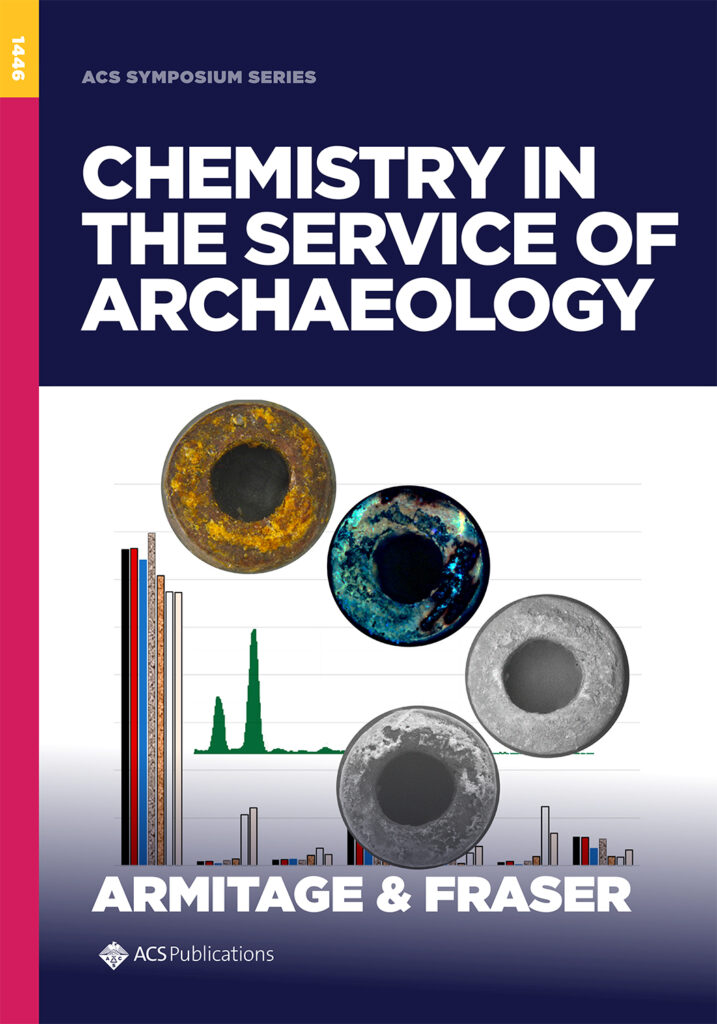
    Professor Emeritus Dr. William Lovis from the Michigan State department of Anthropology recently coauthored a chapter in the journal Chemistry in the Service of Archaeology: Dating and Materials Analysis, part of the American Chemical Society Symposium Series. Lovis and his team of researchers from Wisconsin-LaCrosse, Eastern Michigan, Sherbrooke (Canada) and Muhlenberg College presented their findings from recent analysis done on beads found alongside an ancient Andean funeral site.

    Funerals have existed for centuries as an opportunity to celebrate and memorialize someone’s life, and the ancient world is full of examples of the cultural practice of individuals being buried alongside objects that were sacred or important to them during their lives. Some believed including these special items would bring the individual comfort in the afterlife and, in some cases, would be of use to them in the next world. Common funerary objects included in these burials were items such as jewelry, weapons, figurines and tools. These items are extremely valuable to anthropologists in piecing together the story of a person’s life and culture at that given time in history.

    The researchers took a specific look at red and black beads found in the funerary assemblage of a young Andean girl. Through the use of chemical analysis, they hoped to discover information on the manufacturing and origin of the beads, such as whether they were made of European glass or a different material. 

    “Analysis of the raw materials used for beads found in Andean funerary assemblages employing advanced chemical and imaging characterization techniques is becoming more common,” Lovis explained. “In this instance, our approach employed a large battery of such techniques to independently evaluate and corroborate individual results, and refine our interpretation.”

    The team found that the beads were made of stone, likely shale or slate, and had been locally manufactured. They had also apparently been treated with coating oils either during their production and use, for their use as funerary objects, or at some point during museum curation. The researchers were able to share their findings with the National Archaeological Museum (MUNARQ) in LaPaz, Bolivia, benefitting archaeological research across the globe.

    Images of the black (left) and red (right) beads as viewed with light microscopy. 

    “In some respects this paper acts as a primer in how such approaches can be used in tandem, and how multiple individuals and institutions with different disciplinary capabilities can coalesce on a problem and collectively solve it. I certainly hope our colleagues engaged in archaeological materials analysis find this a useful contribution.”

    The chapter may be accessed at: doi 10.1021/bk-2023-1446.ch003, by ACS subscription, or by contacting the authors.

  • Assistant Professor Dr. Kurt Rademaker and Ph.D. Candidate Emily Milton publish in Quaternary Science Reviews

    Assistant Professor Dr. Kurt Rademaker and Ph.D. Candidate Emily Milton publish in Quaternary Science Reviews

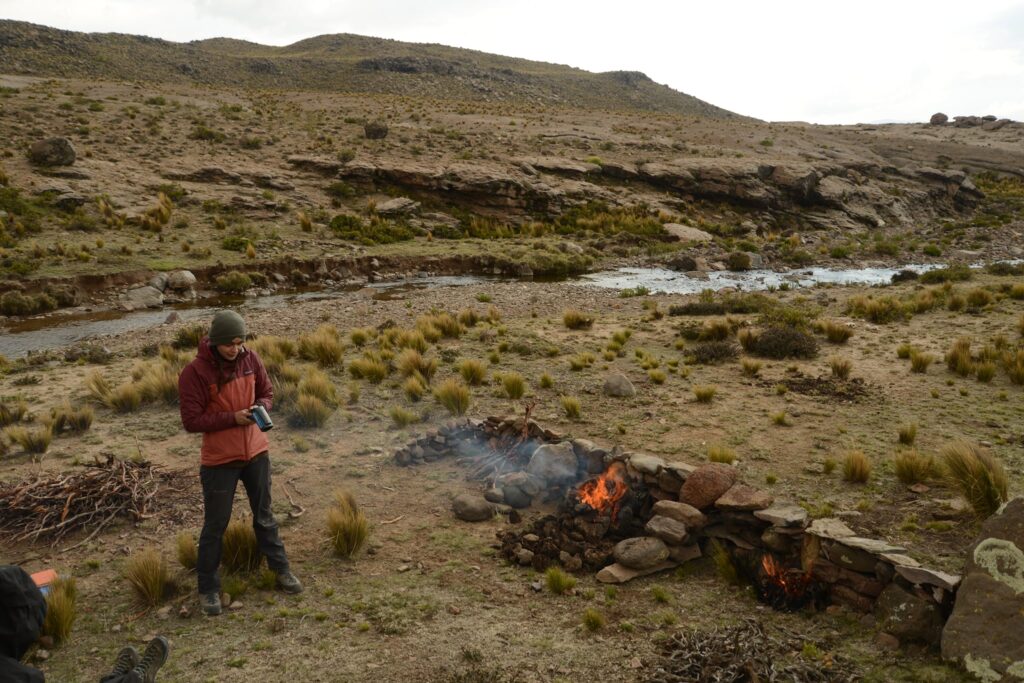
    Department of Anthropology Assistant Professor Dr. Kurt Rademaker and Ph.D. Candidate Emily Milton, along with lead author Ph.D. Candidate Sarah Meinekat of the University of Tübingen, M.A. Student Brett Furlotte of the University of Saskatchewan, and Dr. Sonia Zarrillo of the University of British Columbia, published in Quaternary Science Reviews. The article is titled “Fire as high-elevation cold adaptation: An evaluation of fuels and Terminal Pleistocene combustion in the Central Andes.” This article explores the use of fire as a method of human adaptation to the cold in high-elevation environments, and details the methods employed by the authors to determine which fuels may have been used for creating fire in the Andes by early occupants.


    Read the full article at: https://www.sciencedirect.com/science/article/pii/S0277379123002925


    Abstract: The use of fire constitutes an essential cultural adaptation to cold, and archaeological evidence for fire can be expected in high-latitude and high-elevation regions successfully inhabited by modern humans. At Cuncaicha rockshelter (4480 m above sea level, or masl) in the southern Peruvian Andes, evidence for fire is present from the earliest occupation, dating to the Terminal Pleistocene (∼12,500–11,200 cal BP). Yet, the site contains relatively few identifiable carbonized macrobotanical remains useful for identifying plants employed as combustible fuel. Based on a comprehensive review of nearly 40 early Andean archaeological sites above 2500 masl, little is known about fuels used for combustion. To understand fuel selection strategies at Cuncaicha, we conducted a combustion field experiment, evaluating the three highland plant taxa most likely to have been used as combustible fuels: Polylepis rugulosa (queñua) tree branches, Parastrephia spp. (tola) woody shrubs, and Azorella compacta (yareta) cushion plants. Temperature measurements informed on the combustion characteristics and efficiency of each fuel. We then compared the experimentally-produced fire residues to the geoarchaeological evidence from Cuncaicha. The resinous cushion plant yareta, endemic to the high Andes, may have been the primary fuel used at Cuncaicha based on the experiment outcome and the geoarchaeological evidence. Due to its high-temperature and complete combustion, yareta leaves little to no macrobotanical evidence, thus its identification at other Andean sites may require a multi-methodological approach. Because the geographic range of this plant corresponds with most early archaeological sites in the high Andes, yareta may have been a key resource enabling early settlement throughout the region.