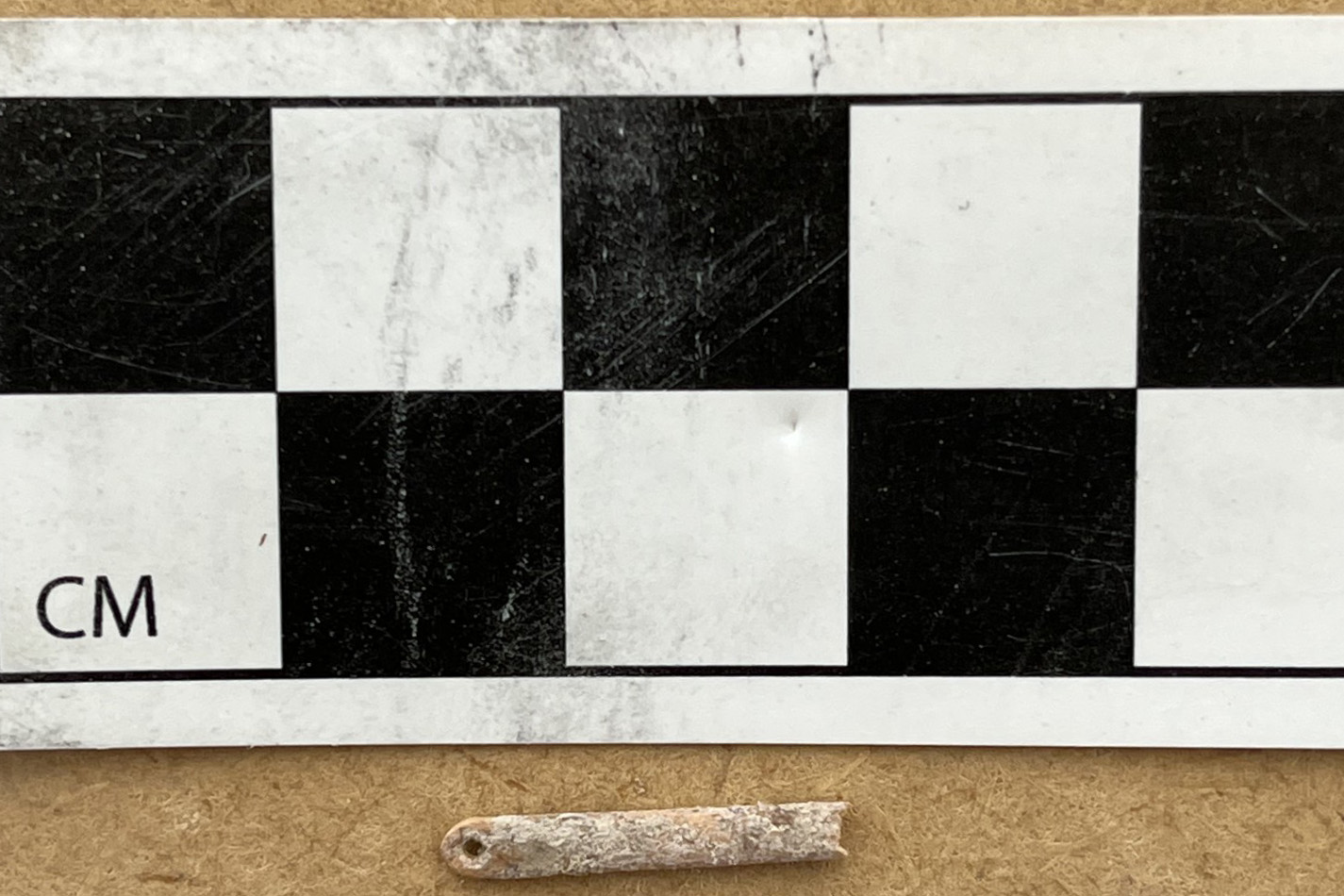
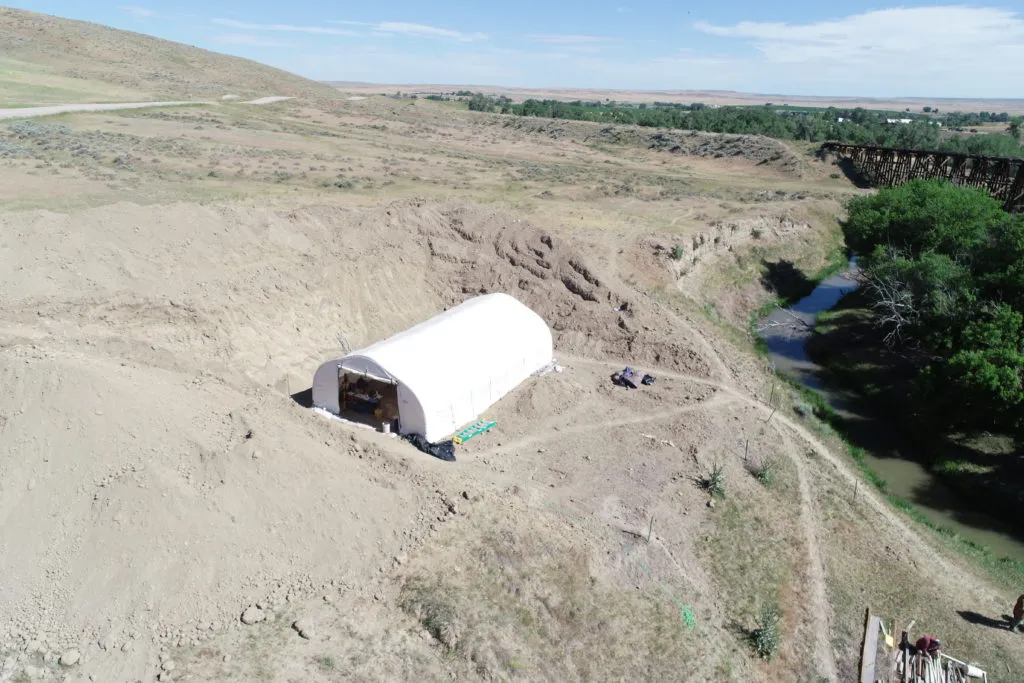
Dr. Madeline Mackie measuring bone needles at the La Perle archaeology dig site.Fully eyed bone needle.Dr. Madeline Mackie documenting findings at the La Perle archaeology dig site.
Tiny bone needles discovered at an archaeological dig site in Wyoming are helping tell the story of Indigenous communities during the Ice Age in North America.
Dr. Madeline Mackie, faculty for the Department of Anthropology at Michigan State University, co-authored a new bone needle study in the scientific journal PLOS ONE.
“These needles offer a really different understanding of the type of animals people were using during these time periods that are just really hard to see in the archaeological record,” Mackie said.
Using a technique called zooarchaeology by mass spectrometry (ZooMS), Mackie and colleagues identified the species of the bones used to make these tools. The needles, discovered at the approximately 13,000 year old La Prele archaeological site in Wyoming were crafted from hare, red foxes, and wild cat.
“This technology is allowing us to look at materials in different ways and to gain more clues about the past,” Mackie said.
La Prele is home to a wealth of Ice Age artifacts, including a butchered mammoth, butchered bison, four hearth-centered spaces, and numerous stone tools associated with the Clovis culture.
“Clovis populations lived around the time of Ice Age megafauna extinctions,” Mackie said. “This archaeological culture is named and identified by their distinctive spearpoints, which were first found in association with mammoth remains at a site near Clovis, New Mexico in the 1930s.”
Mackie explained that the identification of these species from the bone needles gives clues about the types of hides Clovis people may have used and contributes to the archaeological record of these people’s relationship with animals and the environment 13,000 years ago.
“This identification adds a different dimension towards understanding how people are using the environment,” Mackie said. “This is just a small part of our larger effort to understand what people were doing at this site and what life was like in Wyoming during the Ice Age”.
For some, the Ice Age is best understood through the 2002 animated film with a woolly mammoth, ground sloth, and smilodon. For Dr. Madeline Mackie, new assistant professor of anthropology, it’s a bit different.
Mackie, originally from Southern California, knew from a young age that she wanted to be an anthropologist.
During her undergraduate years at the University of California, Davis, Mackie fell in love with the archaeology of foragers—individuals who do not source their food from cultivated crops or domesticated animals.
“This led me to do archaeology on Indigenous communities in North America and understand the communities that call this place home,” she said. “I really wanted to understand what human life in the past was like in the place I currently live.”
After completing her undergraduate degree, Mackie’s interests took her to the University of Wyoming, where she earned her master’s and Ph.D. She then spent time as a postdoctoral researcher, focusing on some of the earliest communities in North America at the end of the last Ice Age.
Mackie continues this research today. She is particularly interested in how these communities interacted with their environment, especially with megafauna (e.g., mammoths, mastodons, and giant ground sloths). For the past several years, Mackie has been working on mammoth kill or butchery sites, where ancient communities hunted or scavenged meat from these multi-ton animals.
Through her research, Mackie works to understand the impact of what people ate 12,000 years ago and how that impacted their way of life.
“I’m looking at the interactions that people had with animals that are now extinct,” she said. “It’s such an interesting idea to talk about people hunting really large game.”
Since arriving in East Lansing, Mackie has enjoyed working with the department and values its emphasis on collaboration.
“I think the best archaeology is collaborative and comes from working with different people from different places and backgrounds,” she said. “That is really valued here.”
Mackie has enjoyed teaching because it allows her to share her passion for archaeology, not just with students who are pursuing the field, but also with those who want to explore the topic. She is looking forward to giving students the foundational skills and training they need to understand how to reconstruct the past.
“I love teaching people about why the past is important and why we should talk about it,” she said. “What happened in the past affects what is going on in the present, and it’s really important for people to value that—even if they’re not interested in becoming an archaeologist.”
In her free time, Mackie enjoys knitting, cross-stitching, and baking sourdough bread.
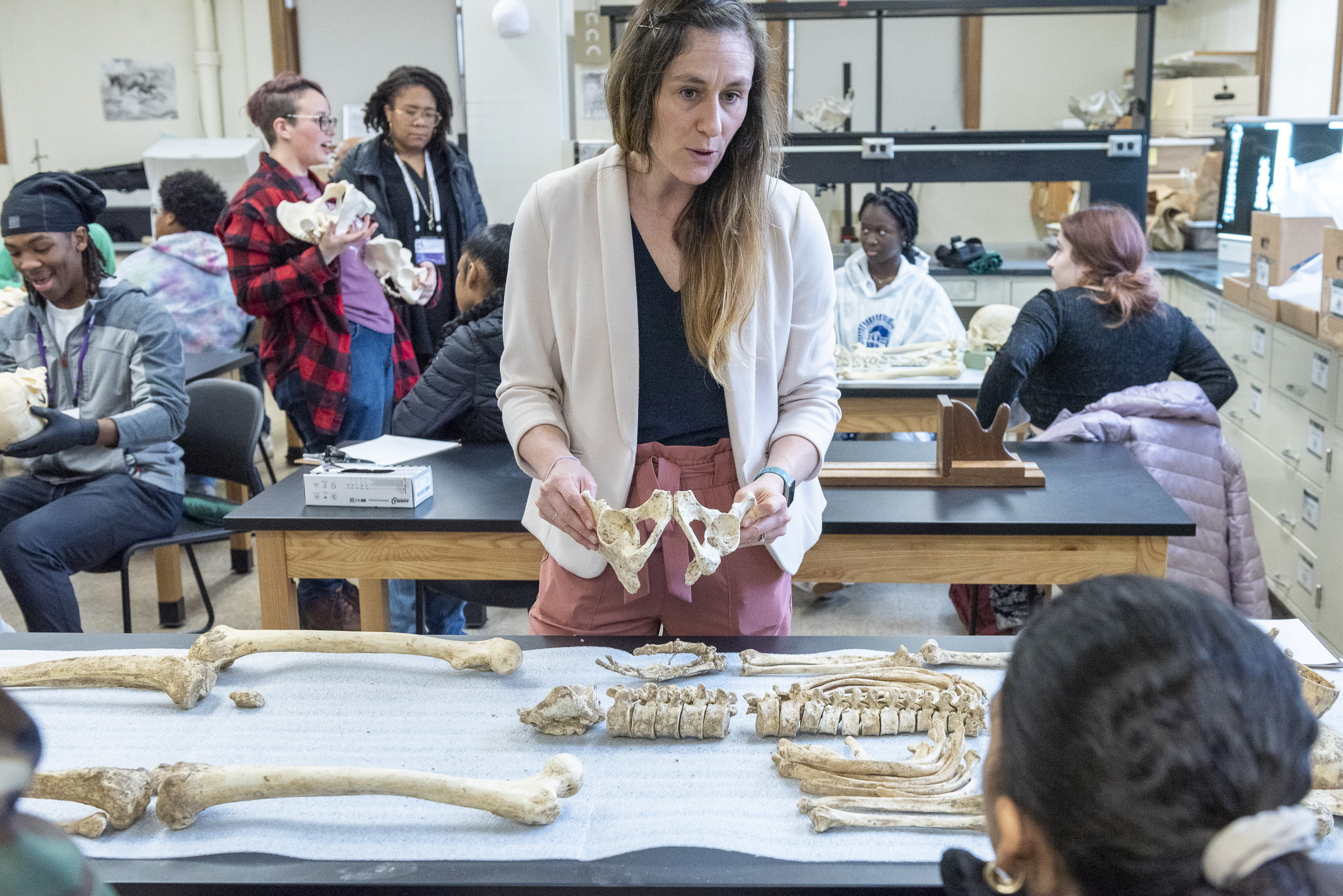
Assistant Professor of Anthropology Dr. Carolyn Isaac teaches Minority Student Achievement Network (MSAN) high school students about forensics.
High school students from the Minority Student Achievement Network (MSAN) recently got a behind-the-scenes look at Michigan State University’s Forensic Anthropology Lab (MSUFAL).
In November, these students spent the day on campus meeting MSU students and faculty while exploring labs.
Dr. Carolyn Isaac, assistant professor of anthropology and director of MSUFAL, shared how impactful it was to witness the interactions between anthropology graduate students and high school students as they explored the unique findings revealed from studying a person’s skeleton.
“The passion with which the graduate students discussed the wonders of the bones and the look of amazement in the high school students’ eyes was inspiring to see,” she said. “As we were wrapping up, I heard a number of the MSAN students saying that this was the coolest thing ever, which made me very proud.”
MSAN is a national organization of diverse school districts focused on improving access, opportunity, and success for students of color. Since 1999, MSAN has worked to eliminate disparities and help all students reach their full potential. This year the 2024 MSAN Student Conference was hosted by East Lansing High School.
Isaac emphasized the importance of outreach activities, explaining that they give students a chance to explore new disciplines while addressing gaps in information about educational pathways and career opportunities.
“As the group departed, one of the chaperones—a high school counselor—shared his gratitude, admitting that he often steered students away from anthropology simply because he wasn’t familiar with the career paths available in the field,” Isaac said. “Unsurprisingly, many of the students were equally unaware of forensic anthropology and the diverse opportunities it offers.”
MSUFAL is actively working to increase diversity among students and professionals in forensic anthropology.
“Connecting with the students of the MSAN provided an incredible opportunity to inspire and attract the next generation of talent to our field,” she said.
Professor Emeritus Dr. William Lovis of the Department of Anthropology at Michigan State University found something he didn’t expect when studying maize in Michigan.
“The most unexpected outcome was the observation that there was a clear separation of living spaces used for residential, food preparation and consumption activities, and areas used for subterranean food storage and possibly crop production,” Lovis said. “Similar patterns had been noted elsewhere in Michigan, but it was only with the use of many lines of data were we able to discern this on the Bay City Moraine.”
Lovis and MSU alumna Dr. Kathryn Egan-Bruhy of Chronicle Heritage LLC have co-authored an article in The Holocene titled “Multiproxy Analysis of Indigenous Maize (Zea mays) Use, Lower Saginaw River, Great Lakes, USA.”
The research reexamined data from more than 60 years of field investigations and analytic studies conducted along the Bay City Moraine on the lower Saginaw River in Michigan. The goal was to better understand the history and adoption of maize at a subregional level.
“Maize was a significant local food crop at European contact in the 1600s and onward,” Lovis said. “The Saginaw River drainage was an area with an abundant archaeological record that allowed refined investigation into the history of maize use in the larger region.”
The study compiled existing macrobotanical data from carbonized maize, microbotanical and carbon isotope data from carbonized cooking residues on ceramic jars, direct and associated carbon-14 and accelerator mass spectrometry (AMS) age assays, and information on 18th-century dental health. The findings provide a refined, two-millennia perspective on the adoption and use of maize in the region.
The research also uncovered a previously unnoticed spatial differentiation between areas used for maize storage and processing—possibly including cropping—and residential locations where maize was prepared for consumption.
The study highlights how combining smaller, independent historical datasets with coarser resolution can reveal patterns that deepen understanding of indigenous maize use.
Dr. Jessica Yann believes everyone should have a right to their own history.
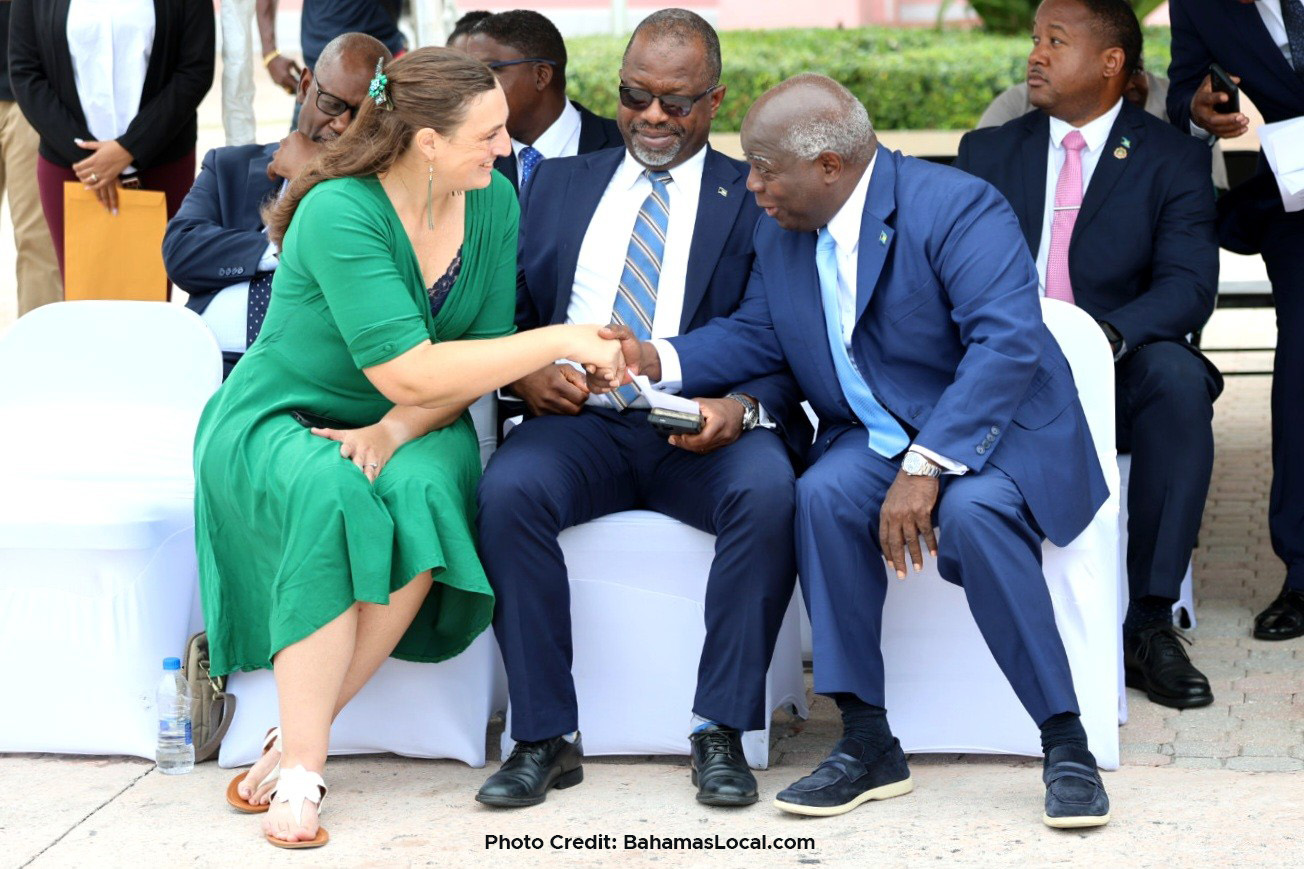
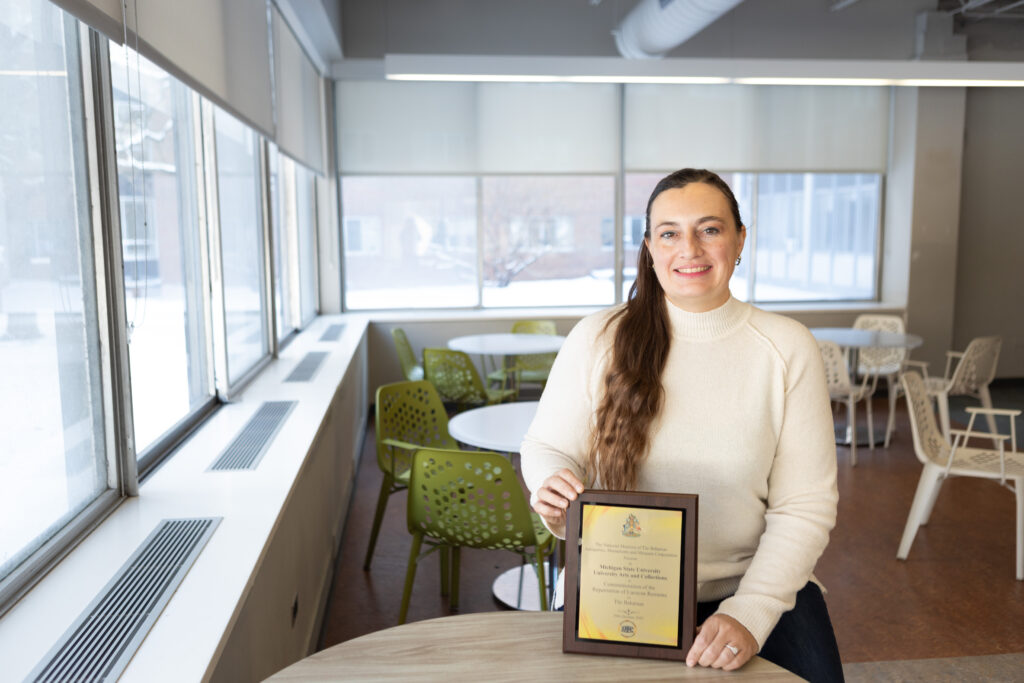
Yann, Program Manager for Michigan State University’s Native American Graves Protection and Repatriation Act (NAGPRA) program and a faculty member in the Department of Anthropology, completed the first-ever human Ancestral remains repatriation to The Bahamas.
“To see how important this return was to the people of The Bahamas, to know that their cultural heritage is back where it belongs, and that I was a part of it, is incredibly humbling,” Yann said. “I’m glad to have been able to facilitate it.”
While reviewing a collection donated by the Chamberlain Memorial Museum in the 1950s, Yann discovered human ancestral remains from The Bahamas. As with most collections, Yann knew the provenance of the items, but how they were originally acquired remained unclear. Although NAGPRA applies only within the U.S., Yann applied its principles to help initiate the return of Ancestral remains to The Bahamas.
After several phone calls, Yann connected with Dr. Grace Turner, senior archaeologist at the Antiquities, Monuments, and Museums Corporation (AMMC) in Nassau, to facilitate the return.
On Oct. 28, 2024, Yann was welcomed to The Bahamas by Prime Minister Philip Davis and completed the repatriation of the ancestral remains. During her three-day visit, she witnessed the island community celebrate the return, displaying the remains in the country’s Parliament building and opening them for public viewing.
“It’s a moment where part of our past, held far from our shores for nearly a century, has finally returned home,” Davis said in his address. “Thanks to this collaboration between Michigan State University’s Arts and Collections Department and our own Antiquities, Monuments and Museums Corporation, we mark a historic first for The Bahamas: the return of ancestral remains from an international institution.”
Yann noted that Caribbean islands have been looted for centuries, and the AMMC has worked hard to track their collections. This particular one was previously unknown to them, now providing access to new information about their history.
“They don’t have a lot of good data on the Lucayan people, the island’s indigenous inhabitants, and these were Lucayan remains, which added to their understanding of the first people to inhabit the island,” Yann said.
A key component of Yann’s role is auditing collections to identify items eligible for repatriation under NAGPRA. According to nagpra.msu.edu, NAGPRA is a U.S. federal law passed in 1990 that requires institutions receiving federal funding to inventory their collections, consult with federally recognized Native American and Native Hawaiian tribes, and repatriate human remains and associated funerary objects, unassociated funerary objects, sacred objects, and objects of cultural patrimony to those with a legal right to them.
By auditing these collections, Yann can trace how these items were acquired, even before they reached MSU’s campus. If an item is found to be NAGPRA-eligible and was not obtained with permission, Yann works with Tribes to complete the repatriation process.
“If there was no consent for a collection to be removed from its original location, we either need to get consent to keep it or return it,” Yann said. “We are recognizing that archaeologists aren’t the sole authority on the past — many people should have a say in how the past is understood.”
Yann explained that individuals working with NAGPRA agree that Tribal items should be repatriated to their communities of origin. This was not always the prevailing view.
“We’ve seen a shift in archaeological practice to treat these Ancestral remains as people who should be returned to the appropriate communities,” Yann said. “NAGPRA and doing this work continues to be important because it’s about social justice, human rights, and correcting the wrongs of the past.”
Yann hopes this return to The Bahamas will inspire others to review their collections and follow suit.
“We need to put cultural heritage back into the hands of the descendants of the people who created it. They have a right to it,” Yann said. “By hoarding someone else’s history, we make it inaccessible to them, and by gatekeeping their history, we perpetuate colonial injustices.”
Yann is passionate about this work because she believes in reconciling the wrongs of the past. Through communication with Native American Tribes and other Indigenous communities worldwide, Yann continues to learn and seek guidance on handling culturally sensitive items.
“There’s a lot of space for collaboration, engagement, and improving our collections management by having these conversations,” she said. “Michigan State University will do everything we can to ensure that those who created cultural heritage have access to it and the right to it.”
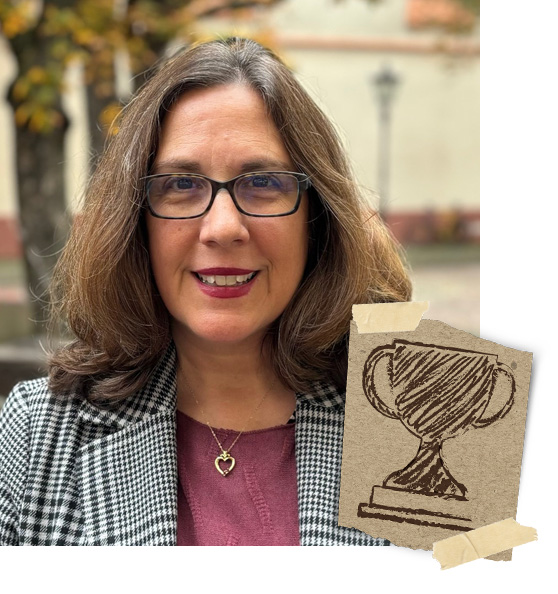
Dr. Mindy Morgan, an Associate Professor of Anthropology and an affiliated faculty member of the American Indian and Indigenous Studies Program, is Michigan State University’s College of Social Science Access Champion honoree. During November, Native American Heritage month, the college celebrates the contributions, culture and history of Indigenous peoples in America. Morgan focuses her research on language ideologies surrounding the preservation, transmission and reclamation of Indigenous languages in Native communities.
Kehli Henry, Ph.D., is Michigan State University’s Access Spotlight honoree. During the month of November the college celebrates the diverse history, culture and accomplishments of our Native American and Indigenous community members. There are over 500 federally recognized tribes across the country including a dozen in the state of Michigan, each with its own unique set of shared traditions, language and customs. Henry is a proud Anishinaabekwe (Ojibwe woman), and as a researcher who has worked closely with Native American communities striving to increase awareness and improve access to a wide range of public services and programming, she is a shining example of an Access Spotlight.
Click here to learn more about Henry and her work.
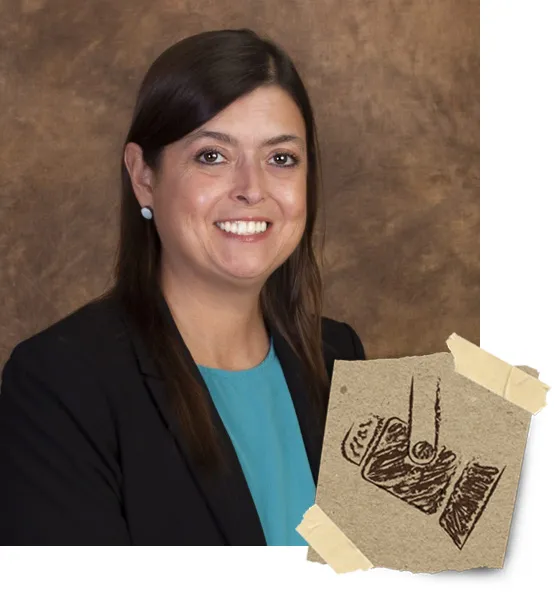
The Department of Anthropology is pleased to announce that Associate Professor Dr. Joe Hefner has been awarded $2,062,069 from the Department of Justice for a project entitled MOSAIC: Unifying Methods of Sex, Stature, Affinity, & Age for Identification through Computational Standardization.
To aid in the identification of unknown human remains, forensic anthropologists are often called upon to create a biological profile, or an estimation of the unknown individual’s age, biological sex, population affinity (i.e., ancestry), and stature. The data collected to develop a biological profile typically includes both metric and nonmetric/morphological data from across the entire skeleton, and these data are then analyzed using a variety of analytical methods. These methods are each based on different subsets of data (e.g., cranial metrics for population affinity estimation versus innominate morphology for sex estimation), with multiple methods available to estimate each parameter of the biological profile. However most currently available methods analyze only a single data modality (metric v. nonmetric), focus on only a single skeletal element (e.g., cranium v. innominate), and can only estimate a single biological profile parameter. This leaves forensic anthropologists with a bewildering array of methods that may produce idiosyncratic results, with no evidence-based way to determine how differing results should be weighed or reported. Further, fragmenting methods by individual biological profile parameters ignores the realities of human skeletal variation, creates a priori assumptions about which data provide information for which parameter, and fails to account for interactions between sex, population affinity, age, and stature.
MOSAIC, or Methods of Sex, Stature, Affinity, & Age for Identification through Computational standardization, is a proposed non-proprietary computer program that will produce a holistic estimation for all biological profile parameters. This program will use a machine learning (ML), artificial intelligence (AI) system built using a large database of contemporary skeletal data. The innovations of MOSAIC are (1) the creation of a dataset that encompasses trait and measurement data from the entire skeleton that spans multiple biological profile methods (“matched data”) and (2) the use a robust ML/AI approach to uncover new patterns of interaction within the data, while minimizing variability between practitioners. Preliminary data show that the alpha version of MOSAIC significantly outperforms the most commonly used methods to individually estimate sex and population affinity, as well as a combined sex and population affinity estimation. The use of a reference sample of matched data and non-partitioned approach addresses pitfalls in traditional approaches, while also standardizing the analytical process of biological profile estimation.
New faculty member Dr. Madeline Mackie’s work at the La Prele Mammoth site is featured in this quarter’s American Archaeology magazine. The approximately 12,900-year-old site contains the remains of a butchered Columbian mammoth and at least four camp areas thought to be associated with the animal’s butchery. The presence of an associated camp is particularly notable as there are only two other proboscidean (mammoth and their kin) butchery sites in North America where camps have been identified. In addition to stone tools and animal remains, the site has produced a suite of artifacts including a bone bead and needles, some of the oldest south of the Pleistocene ice sheets, and a large stain of ocher, a natural red pigment. The site is helping archaeologists understand what life was like for the Ice Age residents of the continent.
The Department of Anthropology is pleased to announced that Associate Professor Dr. Elizabeth Drexler has been named Diversity Champion by the College of Social Science. Dr. Drexler has worked for decades as a researcher and an educator to understand cultural and historical issues linked to human rights and social justice.